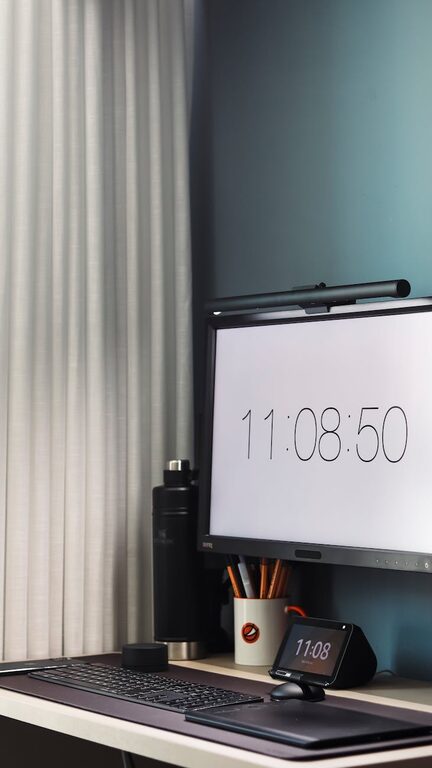
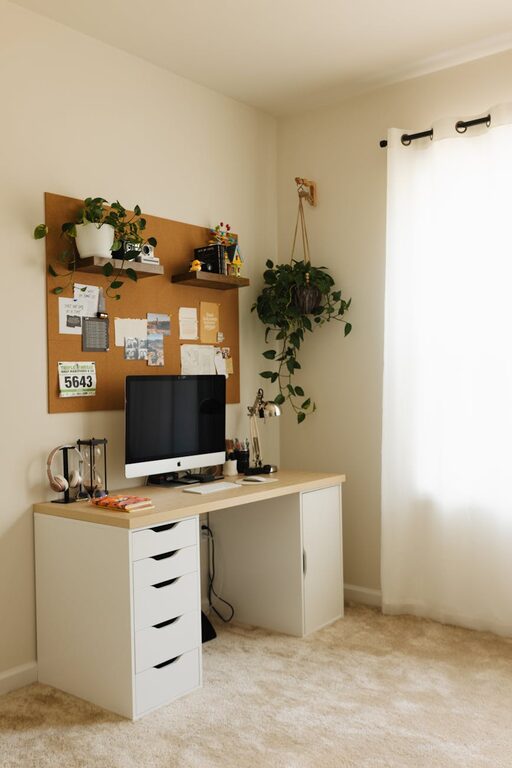
Creating a cozy and productive home office space is essential for anyone working from home or pursuing personal projects. Your environment plays a big role in how efficiently you work and how enjoyable your workday feels. In this post, we’ll explore some practical tips for designing a home office that’s both inviting and efficient.
Why a Cozy and Productive Workspace Matters
Spending hours in a well-designed office can improve focus, reduce stress, and increase overall satisfaction with your work. On the other hand, a cluttered or uncomfortable environment can lead to distractions, fatigue, and decreased motivation. So, crafting the right space is an investment in yourself and your work habits.
—
Choosing the Right Location in Your Home
Assess Your Space Options
Begin by identifying where in your home you can set up your office. Consider:
– A spare bedroom
– A quiet corner in the living room
– An unused nook or hallway space
– A section of the dining room or kitchen with a door
Choose a space that minimizes distractions and has enough room for your equipment.
Think About Natural Light
Natural light helps reduce eye strain and uplifts your mood. Position your desk near a window if possible, but avoid glare on your computer screen. Use blinds or curtains to control the light throughout the day.
—
Furnishing Your Home Office
Invest in Ergonomic Furniture
Since you’ll likely spend several hours seated, a good chair and desk are key. Look for:
– An adjustable chair with lumbar support
– A desk at the right height for typing and writing
– A footrest if needed to maintain good posture
Add Cozy Elements
Include soft elements that make the room inviting without cluttering your space:
– A small throw blanket or cushioned seat pad
– A rug that adds warmth and reduces noise
– Soft pillows if you have a couch or reading nook
—
Organizing for Efficiency
Declutter Regularly
A tidy workspace helps your mind stay focused. Keep only the essentials on your desk and find proper storage for everything else.
Use Storage Solutions
Try these organizational tools:
– Shelving units to keep books and files visible yet neat
– Drawer organizers for stationery and small items
– Filing cabinets or boxes for paperwork
Label containers for easy access and to maintain order.
—
Personalizing Your Space
Add Inspiring Decor
Choose a few meaningful decorations that motivate you, such as:
– Artwork or prints with uplifting quotes
– Plants to bring life and improve air quality
– A bulletin board or whiteboard for notes and goals
Incorporate Your Style
Whether your taste is modern, rustic, or eclectic, include design elements that reflect who you are. This makes your office feel like a personal retreat.
—
Managing Technology and Lighting
Set Up Your Tech Thoughtfully
Keep your devices organized with cable management solutions to reduce clutter and accidental unplugging. Consider the placement of:
– Your computer or laptop
– Printer and scanner
– Charging stations for your phone or other gadgets
Layer Your Lighting
Combine different types of lighting for comfort:
– Overhead lighting for general illumination
– Desk lamp for focused tasks
– Ambient lighting, like a floor lamp, for a softer mood
—
Maintaining Work-Life Balance
Define Your Working Hours
Having specific work hours helps maintain boundaries between personal and professional time, especially when your office is at home.
Create a “Shut Down” Routine
At the end of the workday, tidy your space, shut down devices, and physically leave the office area if possible—this helps signal the end of work.
—
Bonus Tips for Enhancing Comfort and Productivity
– Play soft background music or natural sounds if it helps you concentrate.
– Use a timer or technique like the Pomodoro method to break work into manageable intervals.
– Keep a water bottle nearby to stay hydrated throughout the day.
– Take short breaks to stretch or walk, improving circulation and focus.
—
Conclusion
Designing a cozy and productive home office isn’t just about aesthetics—it’s about creating a space that supports both your comfort and your work goals. By choosing the right location, furnishing thoughtfully, organizing efficiently, and personalizing carefully, you can build an office that feels like your own and helps you perform at your best every day.
Start with small changes and adjust as you learn what works best for you. Happy working!