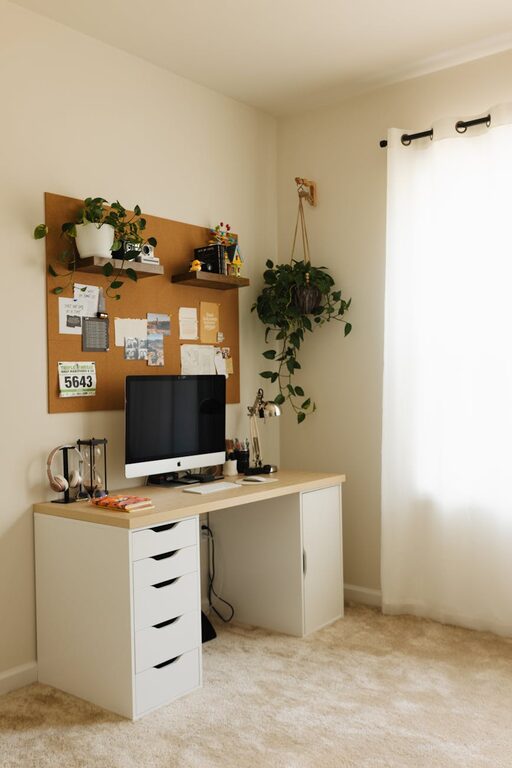

Creating a clutter-free and productive workspace at home is essential for maintaining focus, reducing stress, and boosting efficiency. Whether you’re working remotely, studying, or managing household tasks, an organized area designed to support your activities can make a big difference.
In this post, we’ll explore practical tips and strategies to help you set up and maintain a workspace that encourages productivity while keeping clutter at bay.
Why Organizing Your Workspace Matters
A well-organized workspace helps you find things quickly, keeps distractions to a minimum, and fosters a clear mindset. Clutter can be overwhelming and make you feel disorganized even if your tasks aren’t complex. By investing some time into your environment, you can create a supportive setting that allows your best work to shine.
Choose the Right Location and Setup
Select a Dedicated Space
Whenever possible, designate a specific area solely for work. This separation helps your brain to switch into “work mode,” improving concentration and work-life balance.
– Use a spare room, a quiet corner, or even a section of your living room.
– Ensure the spot has good natural light or sufficient artificial lighting.
– Pick a comfortable chair and a sturdy desk or table.
Ergonomics Matter
Pay attention to your posture to avoid strain and discomfort:
– Position your monitor at eye level.
– Keep your feet flat on the floor or on a footrest.
– Use accessories like wrist rests or adjustable chairs to support comfort.
Declutter and Organize Your Space
Start with Decluttering
Remove items that don’t belong or aren’t necessary for your work:
– Sort through papers, office supplies, and gadgets.
– Donate, recycle, or store items you rarely use.
– Keep only essentials on your desk.
Use Storage Solutions
Dedicated storage can keep your space tidy:
– Desk organizers for stationery and small tools.
– Filing cabinets or boxes to manage documents.
– Shelves or wall-mounted organizers to save floor space.
– Cable organizers or clips to keep cords untangled.
Implement a Clean Desk Policy
At the end of each workday, take a few minutes to:
– Put away loose papers.
– Organize tools and supplies.
– Wipe down surfaces.
This habit helps you start the next day with a fresh and clear workspace.
Manage Digital Clutter
Organize Your Computer and Devices
Physical clutter isn’t the only concern; digital clutter can also reduce productivity.
– Create clear folder structures for your files.
– Delete or archive unnecessary documents.
– Use a simple desktop background and limit shortcuts.
– Regularly back up important data.
Use Productivity Apps Wisely
Tools designed to help can sometimes add to distractions:
– Choose apps that genuinely support your workflow.
– Limit notifications to essential alerts.
– Schedule breaks to avoid screen fatigue.
Personalize Without Overdoing It
Adding some personal touches can make your workspace comfortable and inviting:
– Add a small plant for color and improved air quality.
– Display a photo or artwork that inspires you.
– Use soothing colors in your decor.
However, avoid excessive decoration as it might create distractions or clutter.
Establish a Routine and Set Boundaries
Plan Your Work Sessions
Creating a daily schedule can improve focus:
– Set specific start and end times.
– Use time-blocking techniques for tasks.
– Include regular breaks to recharge.
Keep Work and Home Separate
Especially in small spaces, set boundaries to prevent work from spilling into leisure time:
– Close the workspace at the end of your workday.
– Inform family members or roommates about your schedule.
– Avoid working from bed or other non-designated areas.
Maintain Your Workspace Over Time
Organization is an ongoing process. Schedule weekly or monthly reviews to:
– Clean and declutter your desk.
– Update your storage systems if needed.
– Adjust your setup as your work habits evolve.
Final Thoughts
A clutter-free and productive home workspace isn’t about perfection but about creating an environment where you can focus and feel comfortable. With some intentional choices and consistent habits, you’ll find it easier to stay organized and maintain your motivation throughout the workday.
Try implementing these tips gradually and notice how small changes make a significant impact on your productivity and well-being at home.